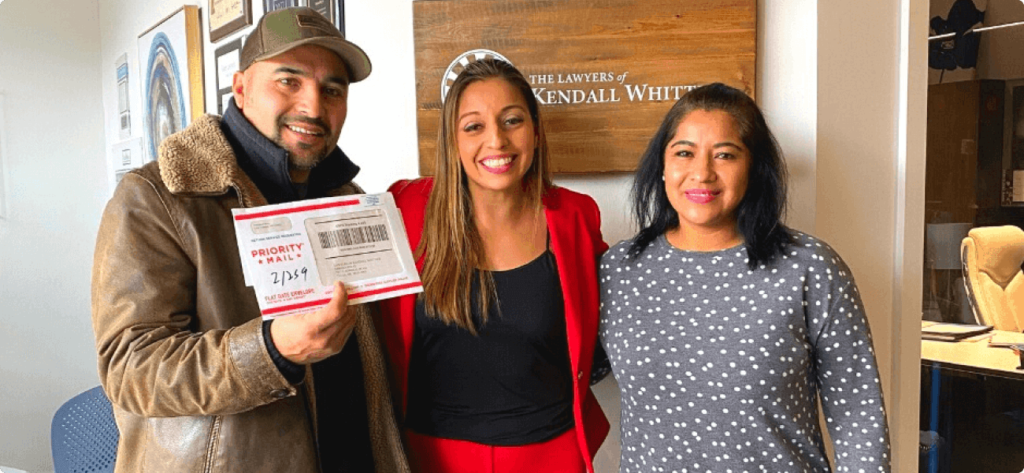

El amor los unió, pero el proceso de la tarjeta verde basada en el matrimonio puede resultar abrumador una vez que entran en juego los formularios, la evidencia, las reglas de ingresos y las entrevistas. Las parejas deben demostrar que el matrimonio es real, elegir la vía de presentación correcta y prepararse para las preguntas de USCIS o de un consulado de EE. UU.
En Rivas y Asociados, guiamos a parejas de todo Estados Unidos con orientación clara, comunicación honesta y apoyo constante. Nuestra misión es cambiar la vida de un millón de personas, y lo hacemos trabajando codo con codo contigo, ayudándote a superar obstáculos y celebrando cada victoria juntos.
Cómo Funciona el Proceso de la Green Card por Matrimonio
El camino comienza demostrando que tu matrimonio es real, luego eligiendo el proceso correcto según dónde viva el cónyuge inmigrante y su historial de inmigración. Luego viene la entrevista y, para los matrimonios más recientes, el paso posterior de eliminar las condiciones de la residencia.
Nos quedamos con usted en cada etapa para que nada se pierda.
Presentación de la Petición para un Familiar Extranjero
La petición de Formulario I-130 es la base de un caso de tarjeta de residencia por matrimonio. Le dice al USCIS que su matrimonio es válido y que usted desea ayudar a su cónyuge a obtener el estatus de residente permanente legal. Evidencia sólida desde el principio puede prevenir demoras o solicitudes adicionales de pruebas.
Te ayudamos a recopilar documentos que muestren una imagen completa de su vida juntos. El objetivo es un archivo limpio y organizado que responda a preguntas clave antes de que se formulen.
Los artículos útiles a menudo incluyen:
- Certificado de matrimonio, registros de divorcio previos si los hubiera, e identificaciones gubernamentales
- Contrato de arrendamiento o escrituras hipotecarias conjuntas
- Cuentas bancarias compartidas, cuentas de crédito y pólizas de seguros en las que figuren ambos cónyuges
- Fotos a través del tiempo
- Registros de viaje, mensajes y registros de llamadas
- Declaraciones juradas de amigos y familiares que conocen su relación
Con un paquete reflexivo, tu caso empieza con una base más sólida.
Ajuste de Estatus vs. Procesamiento Consular
Algunos cónyuges solicitan una tarjeta verde desde dentro de los Estados Unidos a través de un ajuste de estatus. Otros completan el proceso en el extranjero a través de tramitación consular. El camino correcto depende de dónde viva el cónyuge inmigrante, cómo ingresó a los Estados Unidos, si hay un número de visa disponible y si se aplican problemas de inmigración pasados.
Adaptación del estatuto generalmente implica formularios de USCIS, una entrevista en una oficina local del campo de aplicación y posibles solicitudes de trabajo y viaje mientras el caso está pendiente.
Tramitación consular usualmente involucra al Centro Nacional de Visas, documentos civiles, formularios de patrocinio financiero, un examen médico y una entrevista final en una embajada o consulado de EE. UU. en el extranjero.
Entradas anteriores, rebasamientos de plazo, presencia ilegal o problemas pasados de deportación pueden afectar cuál opción es la más segura. Comparamos ambas rutas con usted, explicamos los riesgos y elaboramos un plan que se ajuste a su historial y objetivos.
Residencia condicional vs. Residencia permanente
Si el matrimonio tiene menos de dos años al momento de aprobación de la tarjeta de residencia, USCIS otorga una tarjeta condicional de dos años. Antes de que expire, la pareja debe presentar el Formulario I-751 para eliminar las condiciones y avanzar hacia una tarjeta de residencia de diez años. La presentación generalmente se requiere dentro del período de 90 días antes de que expire la tarjeta.
La mayoría de las parejas presentan sus declaraciones de impuestos conjuntamente. Si el matrimonio terminó, o si hay abuso o dificultades, las exenciones pueden mantener vivo el caso.
Los motivos comunes para la exención del I-751 incluyen:
- Divorcio después de un matrimonio de buena fe
- Batería o crueldad extrema por parte del cónyuge peticionario
- Dificultades graves si se le expulsa de los Estados Unidos
Te ayudamos a elegir la vía de presentación adecuada y a construir las pruebas necesarias para un sólido caso de eliminación de condiciones.
Errores comunes en la Green Card por matrimonio a evitar
Incluso los matrimonios reales pueden enfrentar demoras cuando la presentación está incompleta, poco clara o es inconsistente. Los problemas comunes incluyen documentación conjunta débil, falta de registros de divorcio, formularios incorrectos de patrocinio financiero, lagunas inexplicables en la dirección, viajes sin permiso previo o respuestas a entrevistas que no coinciden con los documentos.
Revisamos todo el expediente antes de presentarlo para que su caso cuente una historia clara y coherente desde la primera solicitud hasta la entrevista final.
Cómo Rivas & Associates ayuda con casos de Green Card por matrimonio
Nuestro equipo escucha primero. Luego diseñamos un plan claro basado en tu historia, tu pasado y tu futuro juntos. Ofrecemos ayuda a nivel nacional desde nuestra oficina de Tulsa, por lo que la distancia nunca es un obstáculo.
Servimos con orgullo a parejas de diversos orígenes, incluidas parejas LGBTQ+, familias militares, parejas a larga distancia y cónyuges con matrimonios previos.
Evaluación Integral del Caso
En la primera reunión, estudiamos su historial de inmigración, registros de viajes, presentaciones anteriores y posibles inquietudes. Marcamos los puntos problemáticos desde el principio, luego trazamos los pasos y el tiempo. El respeto y la comunicación clara guían cada llamada y reunión.
Las señales de alerta comunes que buscamos incluyen:
- Entrada sin inspección o órdenes de remoción anteriores
- Matrimonios anteriores con breves intervalos entre el divorcio y una nueva boda
- Ingresos por debajo de los requisitos del Formulario I-864
- Declaraciones fiscales faltantes o irregulares
- Relaciones a larga distancia con documentación conjunta limitada
- Estancia previa irregular o otras violaciones de inmigración.
Detectar problemas de antemano puede ahorrar tiempo, dinero y estrés más adelante.
Recopilación Detallada de Evidencia
Trabajamos estrechamente contigo para construir un expediente sólido que muestre la vida diaria como pareja. Esto puede incluir contratos de alquiler, facturas, registros de viajes, fotografías, mensajes, cuentas compartidas y cartas de personas que conocen bien tu relación.
Una prueba clara y organizada reduce las posibilidades de preocupaciones por fraude y entrevistas difíciles. También te ayudamos a establecer un sistema de archivo al que puedes seguir añadiendo, lo cual podría ayudarte más adelante si necesitas eliminar condiciones de una tarjeta verde de dos años.
Coaching y Representación en Entrevistas
La entrevista de matrimonio puede ser tensa. Realizamos sesiones de práctica, repasamos tu línea de tiempo y te ayudamos a comprender cómo tus respuestas deben coincidir con tus documentos. Entras con seguridad y preparado.
En abogado de inmigración pueden asistir a la entrevista, intervenir si las preguntas se desvían del tema y proteger sus derechos. Si el USCIS programa una entrevista de matrimonio más detallada, le ayudamos a entender qué esperar y cómo prepararse sin adivinar ni explayarse demasiado.
Gestión de situaciones complejas y exenciones
Algunos casos requieren exenciones, como el Formulario I-601 o el Formulario I-601A, para abordar la presencia ilegal u otros problemas de inmigración. Preparamos paquetes de dificultades que cuentan la historia de su familia con detalle y esmero.
Si su caso enfrenta un desafío, ajustamos la estrategia, recopilamos pruebas más sólidas y mantenemos su caso en movimiento.
Obstáculos potenciales en la inmigración basada en el matrimonio
Cada pareja es diferente, y USCIS examina de cerca cada historia. La planificación, los antecedentes limpios y la orientación constante pueden aliviar mucha presión. Aquí hay dos áreas que a menudo generan preguntas.
Comprobando la legitimidad del matrimonio
Los noviazgos cortos, los inicios en línea, las relaciones a larga distancia o una gran diferencia de edad pueden atraer atención adicional. Eso no es un impedimento, pero puede requerir pruebas más sólidas. Te ayudamos a construir un cronograma claro que muestre cómo creció la relación.
Considere agregar lo siguiente a su archivo:
- Una línea de tiempo con fechas, viajes, vacaciones y eventos importantes de la vida
- Registros de chat y llamadas a lo largo del tiempo, no solo unos pocos días
- Recibos de viajes compartidos, regalos o reuniones familiares
- Fotos con seres queridos
- Prueba de planes compartidos, como vivienda, seguros, finanzas o viajes futuros
Cuantos más momentos de la vida real puedas mostrar, más sólida podrá parecer tu argumentación.
Cumplimiento de las Obligaciones de Apoyo Financiero
El cónyuge patrocinador generalmente debe demostrar ingresos iguales o superiores al 125 por ciento de las pautas federales de pobreza para el tamaño del hogar. Las declaraciones de impuestos, los formularios W-2, los recibos de sueldo recientes y las cartas de empleo ayudan a demostrar esto. Los activos también pueden ayudar si los ingresos son insuficientes.
Si es necesario, un patrocinador conjunto puede firmar un segundo Formulario I-864. Nos aseguramos de que ambos patrocinadores comprendan las responsabilidades bajo este contrato y recopilamos pruebas que cumplan con la normativa.
Preguntas frecuentes
Recibimos muchas de las mismas preguntas de las parejas, y las respuestas honestas facilitan la planificación. Aquí tienes notas rápidas para ayudarte a empezar.
¿Cuánto tiempo dura el proceso de la tarjeta verde basada en el matrimonio?
Los plazos cambian según la carga de trabajo de la oficina de campo del USCIS, las colas del Departamento de Estado y los hechos del caso. El matrimonio con un ciudadano estadounidense a menudo avanza más rápido que el matrimonio con un residente permanente porque los números de visa suelen estar al día para los familiares inmediatos. Los casos a través de consulados también pueden verse influenciados por la disponibilidad local de citas.
Hacemos seguimiento de las actualizaciones y compartimos plazos realistas después de revisar sus hechos. Una buena preparación puede ayudar a evitar demoras prevenibles.
¿Mi cónyuge puede trabajar y viajar mientras la solicitud está en trámite?
Para cónyuges que presenten el Formulario I-485 dentro de los Estados Unidos, también podemos presentar el Formulario I-765 para autorización de trabajo y el Formulario I-131 para el Permiso Adelantado de Viaje. Una vez aprobados, estos documentos pueden permitir el trabajo y viaje legal mientras el caso está pendiente.
Viajar puede acarrear riesgos si existen violaciones pasadas, presencia ilegal u otros problemas migratorios, por lo que siempre revisamos su historial primero. Si su caso se tramita a través de un consulado, los beneficios laborales y de viaje generalmente comienzan después de la emisión de la visa y la entrada a los Estados Unidos.
¿Qué sucede si un cónyuge se quedó más tiempo de lo permitido en una visa anterior?
Los familiares inmediatos de ciudadanos de los EE. UU. aún pueden ajustar su estatus dentro de los Estados Unidos a pesar de una estadía vencida. Sin embargo, salir del país después de largos períodos de presencia indocumentada puede desencadenar prohibiciones, por lo que no debe abandonar los Estados Unidos sin asesoramiento legal.
Estudiamos su historial de entrada, revisamos los posibles riesgos y creamos un plan que protege su futuro. Si se necesita una exención, preparamos un expediente completo de dificultades y le acompañamos durante todo el proceso.
¿Qué pasa si no tenemos muchos documentos conjuntos?
No todas las parejas tienen el mismo tipo de evidencia. Las parejas recién casadas, las parejas a larga distancia, las parejas que viven con familiares y las parejas que se mudaron recientemente pueden tener menos cuentas conjuntas o facturas compartidas.
Otra prueba puede ayudar, como registros de viajes, fotos con familiares, mensajes a lo largo del tiempo, declaraciones juradas, registros de seguros, correo en la misma dirección o prueba de planes compartidos. Le ayudamos a construir el expediente más sólido posible basado en su vida real.
¿Necesitamos un abogado para un caso de Green Card basado en matrimonio?
No es obligatorio que tengas un abogado, pero la orientación legal puede ayudarte a evitar errores, preparar pruebas más sólidas y abordar problemas antes de que causen demoras o denegaciones.
Un abogado puede ser especialmente útil si su caso involucra violaciones migratorias previas, una visa vencida, entrada ilegal, antecedentes penales, matrimonios anteriores, pruebas conjuntas limitadas, preocupaciones de ingresos o una posible exención.
Construya un caso sólido de tarjeta verde basada en el matrimonio
Un caso de tarjeta verde basada en matrimonio merece una preparación cuidadosa, comunicación clara y una estrategia legal centrada en su futuro juntos. Rivas & Associates ayuda a las parejas a navegar el proceso con orientación práctica y apoyo receptivo de un equipo con sede en Tulsa que atiende a familias en todo el país.
Si estás listo para seguir adelante, llama 405-754-2841 o contactar a través de nuestro Contáctanos página para discutir tus opciones. Damos la bienvenida a tus preguntas y estamos listos para ayudarte a dar el siguiente paso con confianza.