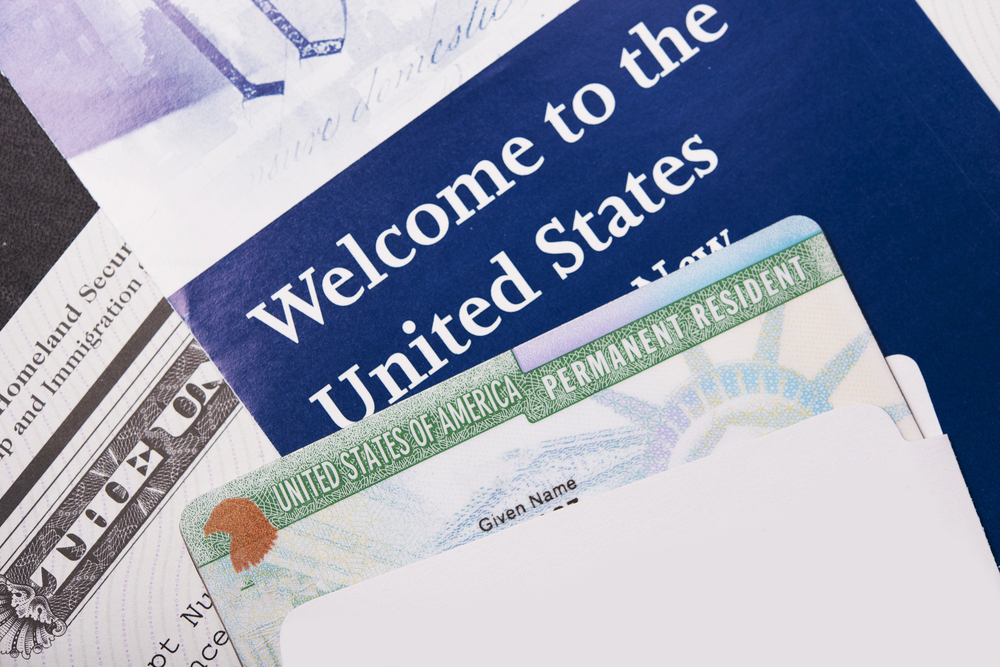
Getting a green card can change the course of a person’s life, strengthen a family’s future, and create lasting stability in the United States. At Rivas y Asociados, we stand beside immigrants with a clear purpose: empowering immigrants and building futures through focused, compassionate legal representation.
Our mission is to impact one million lives by helping individuals and families pursue lawful permanent residence with confidence. From your first question to your final approval, we guide you through each stage of the process with clarity, care, and steady communication.
How We Help with Your Green Card Case
We treat every case like a real story with real stakes. You receive clear steps, plain language, and steady follow-through from a team that understands how important this process is for your future.
Nationwide Representation with Personal Attention
We handle family-based green cards, humanitarian immigration matters, removal defense, naturalization, and related immigration cases for clients in Tulsa and across the United States. Video meetings and secure document sharing keep your case moving without unnecessary travel. You get the same care whether you live nearby or across the country.
We provide thoughtful advice along with formal representation. That means explaining risks, deadlines, and options in plain English. Then we prepare filings that match your facts and the law.
Overcoming Legal Hurdles Together
Roadblocks happen, from missing records to prior entries, overstays, criminal history, or past immigration issues. Our attorneys face challenges with you, step by step, and work to address concerns before they grow. We push for the strongest result allowed by law.
Shared values guide our work. We prepare cases with care, check the small things twice, and celebrate every approval with you.
What a Green Card Allows You to Do
A green card gives you lawful permanent resident status in the United States. It can allow you to live and work in the country permanently, travel with fewer restrictions than many temporary visa holders, and eventually apply for U.S. citizenship if you meet the requirements.
Permanent residence can also bring peace of mind to families who want a secure future together. Whether your case begins through marriage, another family relationship, asylum, or another qualifying path, the right legal strategy can help you avoid delays and protect your opportunity.
Green Card Eligibility Review
Before filing, we review your immigration history, family relationship, prior entries, criminal record, financial sponsorship documents, and any possible grounds of inadmissibility. This helps us identify issues early and choose the safest available path before your case is submitted.
Every green card case depends on details. A person who entered with inspection may have different options than someone who entered without inspection. A person applying through a spouse may face different proof requirements than someone applying after asylum. We help you understand where you stand before moving forward.
Common Pathways to a Lawful Permanent Resident Card
There is more than one door to residency, and the right path depends on your history, your family ties, and your immigration goals.
Family-Sponsored Immigration
Many green card cases begin through marriage to a U.S. citizen or lawful permanent resident, but family sponsorship can also involve parents, children, and siblings depending on the sponsor’s status.
U.S. citizens can sponsor a spouse, unmarried children under 21, and parents. Lawful permanent residents can file for a spouse and unmarried children. Citizens can also file for married children and siblings.
Immediate relative petitions have no annual cap, so visas are usually available once USCIS approves the petition. Family preference cases use a wait list by country and category, tracked in the State Department Visa Bulletin. Filing early and keeping addresses current helps avoid lost time.
Humanitarian Relief and Asylum
People granted asilo or admitted as refugees can apply for a green card after one year of physical presence. Good moral character and continued eligibility matter at this stage.
Certain humanitarian cases may also lead to permanent residence, including U visas for victims of certain crimes who assist law enforcement and T visas for survivors of trafficking. Our team can review your history and explain which options may apply to your situation.
The Application Procedures: Filing in the U.S. and Abroad
Where you file depends on where you are, your immigration history, and whether you qualify to complete the process inside the United States.
Adaptación del estatuto
If you are inside the United States with a qualifying petition and a current visa number, you can request permanent residency by filing Form I-485. Many applicants also file Form I-765 for work authorization and Form I-131 for travel permission while the case is pending. Biometrics and a medical exam are part of the process.
Interviews usually take place at a USCIS field office. Bringing clear evidence and honest answers helps the officer see the full picture. We prepare you for the interview, review your documents, and attend with you when appropriate.
Tramitación consular
Applicants outside the U.S., or those not eligible to adjust status inside the country, complete tramitación consular through the National Visa Center and a U.S. embassy or consulate. After fees and forms are submitted, the NVC reviews civil and financial documents. The final interview happens abroad.
Some applicants need a waiver for unlawful presence or other grounds of inadmissibility. We prepare hardship packets and support letters that fit the legal standard.
Waivers and Green Card Problems
Some applicants face extra concerns because of unlawful presence, prior misrepresentation, criminal history, removal orders, or past immigration violations. These issues do not always mean the case is over, but they must be handled carefully.
When a waiver is available, we help prepare evidence of hardship, rehabilitation, family ties, medical needs, financial concerns, and other facts that support your case. We also explain the risks clearly so you can make informed decisions before filing.
Responding to Requests for Evidence
A Request for Evidence, also called an RFE, means USCIS needs more proof before deciding your case. Deadlines are firm, and late or incomplete responses can lead to denials.
We organize clear packets with tabs, summaries, and supporting evidence. Typical items may include:
- Financial records such as tax returns, pay stubs, and Form I-864 Affidavit of Support documents
- Affidavits from family, employers, or community members
- Updated medical exams on the current USCIS form
- Proof of lawful entry and maintenance of status
- Police certificates or certified court dispositions when needed
Strong organization makes it easier for officers to review and approve a well-supported case.
Maintaining and Protecting Your Resident Status
Earning the card is step one. Keeping it is step two. Permanent residents must follow immigration rules, avoid long absences without proper planning, and address legal issues before they create bigger problems.
Removing Conditions on Residence
Marriage-based residents with a two-year card file Form I-751 in the 90 days before the card expires. Missing the window can place your status at risk.
Joint filings are common, but renuncias exist for divorce, abuse, or hardship. We gather proof of a real marriage, prepare the filing, and track your receipt so your status extends while USCIS reviews the case.
Removal Defense and Criminal History Concerns
Some crimes or past immigration issues can place a resident in removal proceedings. Even old cases can trigger trouble during travel, green card renewal, or naturalization.
We review records and look for possible relief such as cancellation of removal, waivers, or post-conviction options where state law allows. Acting early can help protect your status, travel plans, and family stability.
Frequently Asked Questions About Green Cards
Here are quick answers to topics we hear often from individuals and families.
How long does the green card process take?
Timelines differ by category, country, and case type. Some marriage cases move in under a year, while preference categories for certain countries can take much longer.
Visa number backlogs, USCIS caseloads, security checks, and consulate scheduling all play a part. We check the Visa Bulletin and processing reports, then plan filings with those dates in mind.
What is the difference between a work visa and a green card?
A work visa is temporary and often tied to a specific status, purpose, or time period. A green card allows you to live and work anywhere in the United States with no set end date, as long as you maintain permanent resident status.
Permanent residency also sets the stage for citizenship once you meet the residence and good moral character rules. Many families choose this path for long-term stability.
Can I apply for a green card if I overstayed my visa?
It depends on your category, your entry history, and who is sponsoring you. Some immediate relatives of U.S. citizens may still be able to adjust status after an overstay, but other applicants may face serious problems or need consular processing and a waiver.
Because overstays can affect your options, it is important to speak with an immigration attorney before filing. We review your history and explain the safest available path.
What documents do I need for a marriage-based green card interview?
Officers look for proof that your marriage is real and ongoing. Bring originals and copies to the interview.
Helpful documents may include:
- Joint bank statements, lease or mortgage records, and utility bills
- Photos with family and friends labeled by date and event
- Birth certificates of children together, if any
- Travel itineraries, tickets, and insurance policies listing both spouses
- Reasonable samples of chat logs or call histories
We also review interview conduct, including how to answer clearly, stay calm, and avoid guessing. Good preparation reduces stress and helps prevent delays.
Do I need a lawyer for a green card application?
You are not required to have a lawyer, but legal guidance can make a major difference when your case involves prior immigration history, missing documents, criminal records, waivers, consular processing, or family sponsorship questions.
A lawyer can help you understand your eligibility, prepare accurate forms, organize evidence, respond to USCIS requests, and avoid mistakes that may delay or harm your case.
What happens if my green card case is denied?
A denial does not always mean you are out of options. Depending on the reason, you may be able to file a motion, appeal, refile with stronger evidence, request a waiver, or defend your case in immigration court.
We review the denial notice, explain what went wrong, and help you understand the next step based on your facts and deadlines.
Take the Next Step Toward Permanent Residence
Applying for a green card can shape your future, your family’s stability, and your long-term opportunities in the United States. Rivas & Associates helps clients move forward with clear guidance, responsive communication, and practical legal support tailored to the facts of each case.
If you are ready to begin your green card case, call 405-754-2841 or reach out through our Contáctanos page for a case review and clear next steps. We respond promptly, keep you informed, and are ready to help you move forward with confidence.